

Numbers hide far more intriguing meanings than just mathematical equations. In Buddhism, each number has its own sacred meaning that often defines people’s life course. Considering Buddhism began to take shape around the 5th century BC in ancient India, it carries a lot of significant traditions and cultural beliefs. This is why Buddhists often attach various symbolic meanings to numbers, some of which evoke fear or faith.
In countries like India, Japan, China, or Thailand, where this religion is common, numbers are strongly tied to certain rituals and tasks. Some of them are even thought to enhance or diminish luck, and it makes society mindful of the numbers in terms of keeping their fortunes safe. In this article, we will talk about 5 of these sacred numbers.
1. Number 108
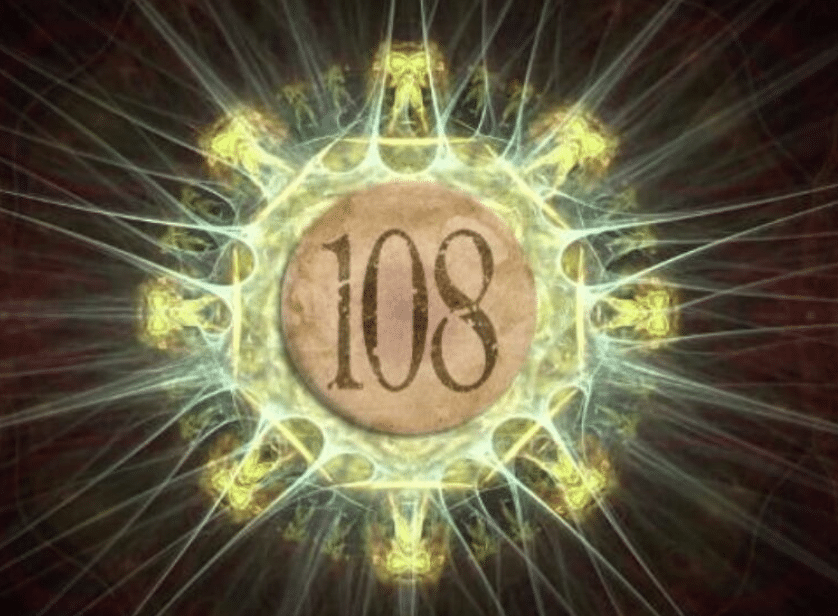
Number 108 is one of the most sacred and symbolically important numbers in Buddhism. The roots of its definition go back to ancient Indian beliefs before Buddhism emerged. 108 is associated with suffering, imperfection, and a long path that leads to the main truth. The most common belief is that this number reflects human defections and guilty desires, also called “kleshas.”
Because of the number 108’s connection to the circles of desire and repetition, the same references also appear in modern media, including films, video games, and online entertainment that use repeated cycles, chance, and reward. Even in online gaming platforms like Sportaza online casino, the idea of repeating the same action could be explained by this Buddhist concept.
In modern life, you can also encounter 108 in practices like meditation and yoga, purification rituals, and various festivals. In Eastern Asian countries, on New Year’s Eve, temple bells are struck exactly 108 times as a symbol to cleanse society of its desires.
2. Number 49
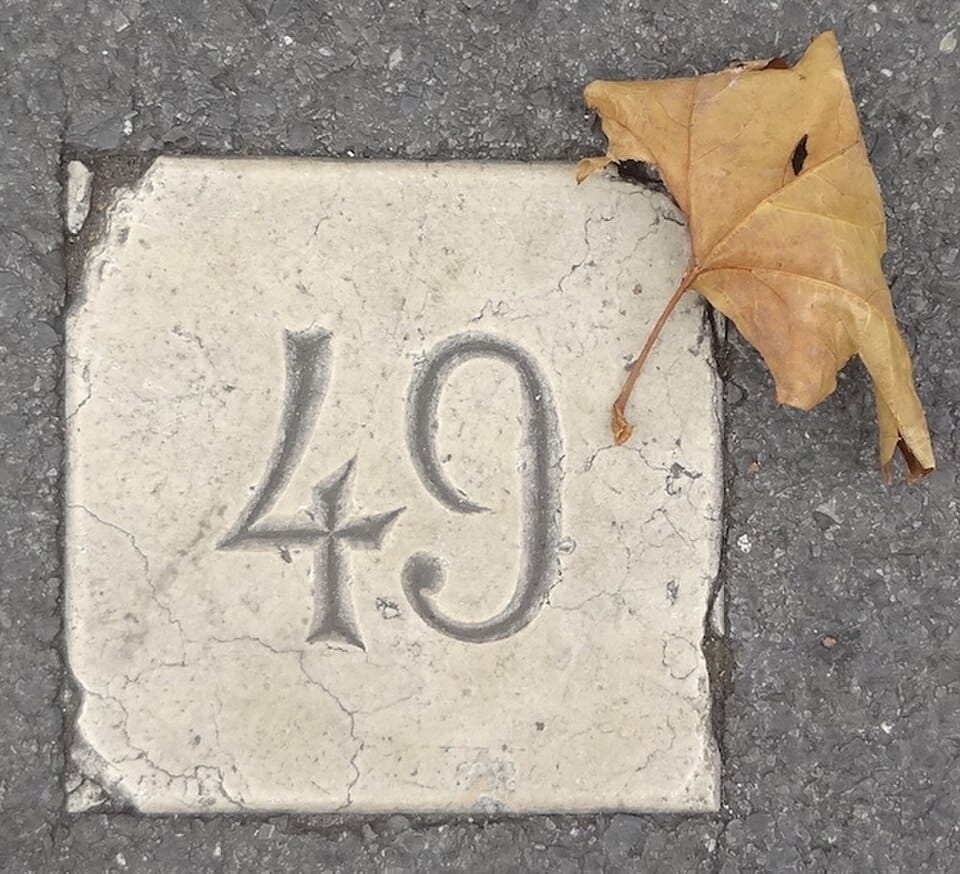
Number 49 is deeply connected to funeral traditions in Buddhism, especially in Tibetan, Chinese, Korean, and Japanese practices. It is associated with the belief of the state after death, where a person’s consciousness is stuck between death and rebirth. In Tibetan Buddhism, it is called “bardo.”
This state is thought to last for 49 days and is divided into seven cycles, each consisting of seven days. When someone passes away, monks and their family perform certain rituals to guide the spirit to its rebirth into a new life. Therefore, the whole funeral memorial service lasts for 49 days.
3. Number 6

The sacrecy of number 6 comes from the Buddhist cosmology statement called the Six Realms of Rebirth. It is connected to samsara, which is the cycle of birth, death, suffering, and rebirth. This motion is driven by karma.
In Buddhism, it is believed that when someone is being reborn, they are born into one of the six realms according to their actions, mind, and karma from their previous life. These realms are gods, demigods, humans, animals, hosts, and hellish beings. This has influenced folklore, religious art, and funeral prayers, along with the ethical and moral beliefs of people.
4. Number 4

Number 4 is sacred in Buddhism for the statement of the Four Noble Truths. It is one of the main things that this religion is based on and what Buddha taught himself and others. These truths are that suffering exists, suffering has a cause, suffering can end, and there is a path to take for it to end. This statement spread across Asia as Buddhism started to develop.
However, in countries like China, Japan, and Korea, number 4 is feared, considering it is pronounced similarly to the word “death” in their language. Because of this reason, 4 is often avoided in building floors, room numbers, and even seat numbers in public transport.
5. Number 7

Even though in most cultures the number 7 is considered a lucky number, tied with good fortune and wealth, in Buddhism, it is connected to death rituals and spirit transition through states of existence.
According to Buddhist tradition, when Buddha was born, he immediately took seven steps in every four directions. Afterwards, he said that this life would be his last rebirth. It gave the number its spiritual definition. Number 7 is also connected to the seven-day mourning cycles after a funeral.
Bottom Line
Different numbers have a significant meaning in each religion. The ancient spiritual tradition, which is Buddhism, certainly gives numbers an interesting meaning that makes them sacred. Although some people think these are just superstitions, others strongly believe in them. These numbers often influence the lives of Buddhist people who are trying to keep their fortune as intact as possible. In case you have been feeling out of luck lately, now you know about 5 sacred numbers that you can test yourself on.
Copyright Statement: Unless explicitly stated, all stories published on Creepypasta.com are the property of (and under copyright to) their respective authors, and may not be narrated or performed under any circumstance.