Halloween is not celebrated in every part of the world, but in most of the countries where this is a holiday that everyone participates in, the phrase “trick-or-treat” is part of the experience. People say this phrase as they walk up to a neighbor’s door, and they are rewarded with candies that they place in a pillowcase or a plastic container. Everyone who celebrates Halloween knows this phrase, but they probably don’t ever consider where it came from.
Enjoying this holiday is all about having fun with friends and family by getting into costume, playing games like the ones listed in the Starburst slot review, and of course saying “trick-or-treat!” when walking about collecting candies from friends and neighbors. Let’s talk about how this phrase became part of the experience of enjoying the holiday.
How Did Halloween Become a Holiday?
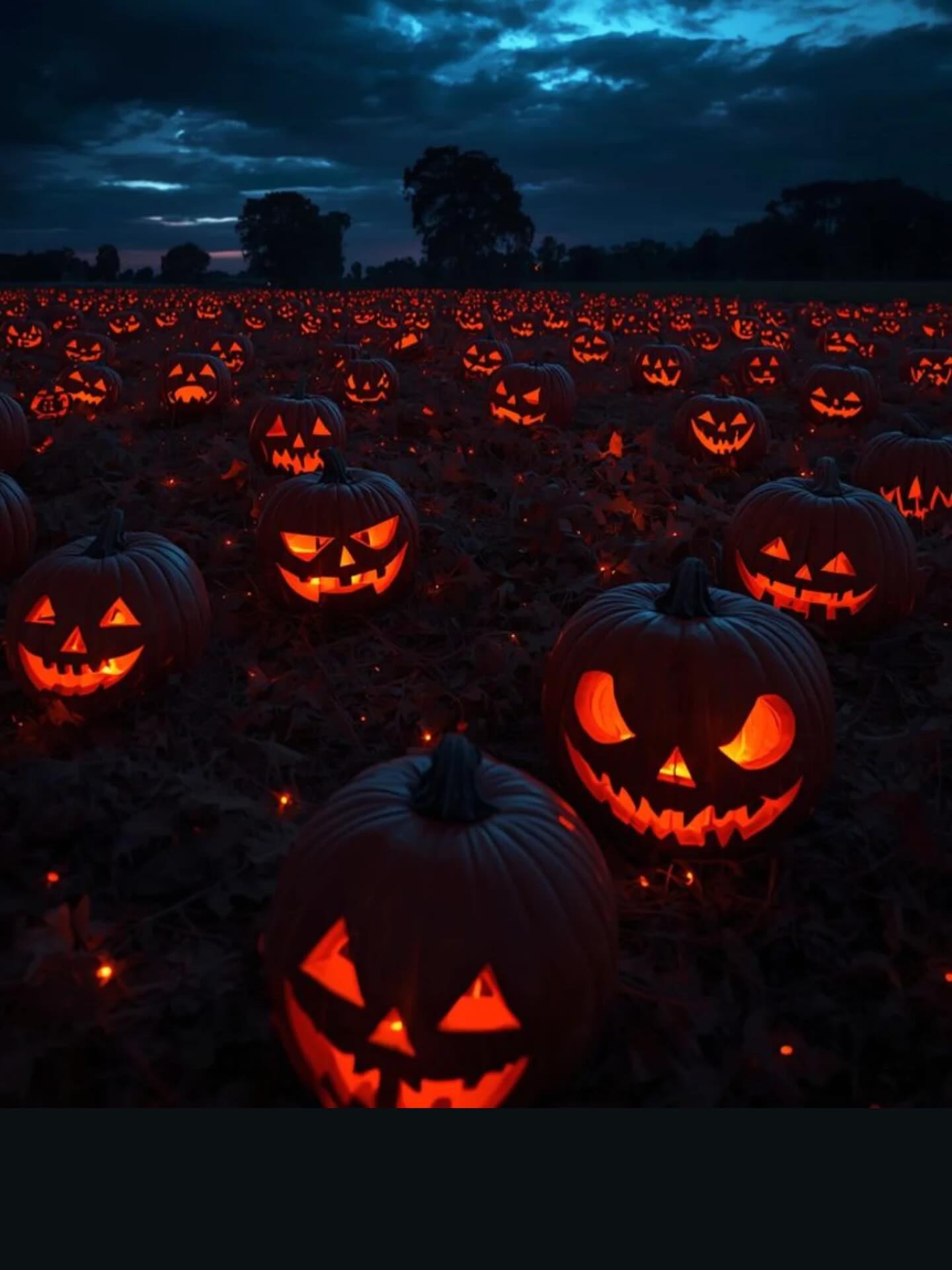
The first thing we need to talk about is how Halloween became a holiday that is celebrated in some countries. The original festival that later became Halloween was a Celtic celebration known as Samhain. This festival called for celebrating those who had passed away and sharing “soul cakes”. In some traditions, people would walk from home to home reciting verses in exchange for these cakes.
Going from home to home in costume for various festivals was quite common in Celtic traditions, but the concept of asking for specific treats and threatening to play a trick if the treats were not offered was not part of the holiday until 1917.
The first record of the use of “trick-or-treat!” as part of the Samhain/Halloween comes from the Canadian province of Ontario. Before 1917, the concept of walking from door to door was more about helping neighbors and celebrating those who had departed than it was specifically about treats or tricks.
Origins of the “Trick-or-Treat” Exchange
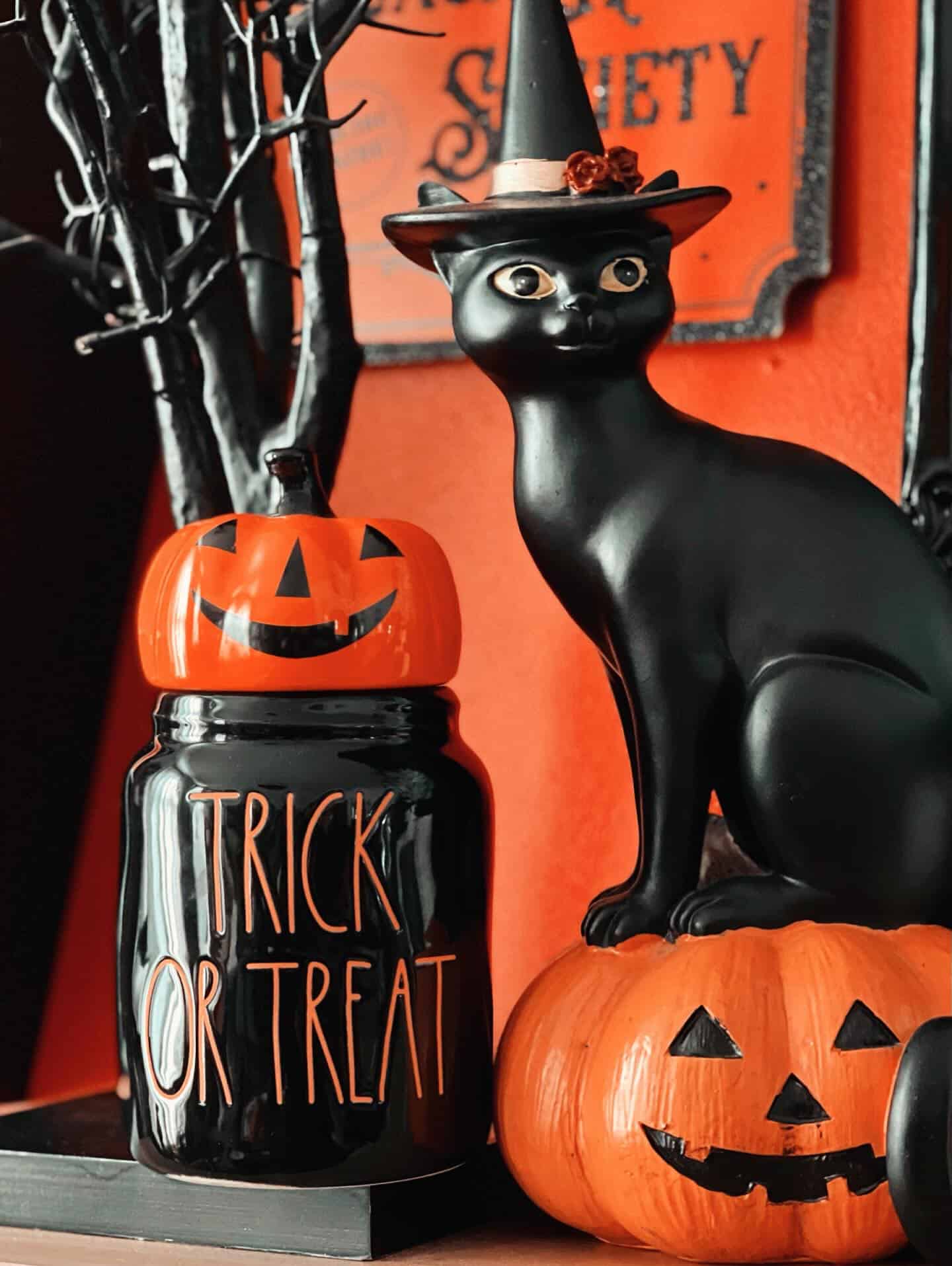
There are various examples of the concept of exchanging a treat for a trick in other cultures and time periods. Samhain was already discussed, but there were other traditions that also gave rise to the idea of trick-or-treating.
One tradition from the Medieval period was known as “souling”. This practice took place on All Hallows Eve when poor people would go to the homes of wealthy families and say prayers for the souls of deceased loved ones in exchange for money or food. They might also give performances instead of praying.
Most of the variants of the trick-or-treat model were based on ideas that these practices honored the dead. Because of the concept of this exchange being linked with the spirit world, it is easy to see how Halloween became so closely associated with spooky themes and concepts.
Modern trick-or-treating has moved away from the scarier parts of the holiday with only small remnants of the former horror associations that were more common from the 1970s until the early 2000s. Trick-or-treating is far more likely to be conducted in a shopping mall, at a church, or in specific neighborhoods these days for safety, and this means that some of the rowdy, spooky, scary parts of the holiday are less present.
The Rise of “Trick-or-Treat” as Part of the Holiday
Arriving on someone’s doorstep on Halloween and announcing the phrase “trick-or-treat” had become far more commonplace in the early 1900s. The tradition took a turn in the 1920s, however, and children became increasingly aggressive about the demand. Serious vandalism was becoming the norm on Halloween night, and adults decided by the 1930s that a change needed to be made to the holiday to cope with pranksters and naughty children who were damaging homes and property.
The concept of asking for candy by saying “trick-or-treat” is a result of the efforts of these folks, who were sick of repairing their fences, homes, and property after kids spent all night being mischievous on Halloween. People were encouraged to have nuts, fruit, or items like popcorn balls on hand on Halloween to give to roving bands of kids in costume who would turn up looking for a treat.
When sugar rationing came to a close at the end of World War II, candy companies realized that they could create candies that were perfect for the Halloween holiday. These candies were individually wrapped, smaller in size, and perfect for handing out to children who were wandering around in costume looking for snacks on the night of Halloween. For many people, this was a far easier way of navigating the holiday, and it saved people time and money each year.
By the 1970s, candy bars and various other candies were intensely marketed to parents as part of the Halloween holiday, and the concept of trick-or-treating for candy became the expectation of how the Halloween holiday was to proceed each year. Halloween is a far more commercial experience these days as a result, but it’s easy to spot the underpinnings from ancient traditions once you know how trick-or-treating became part of the Halloween experience.
Trick-or-Treating is Integral to the Halloween Experience
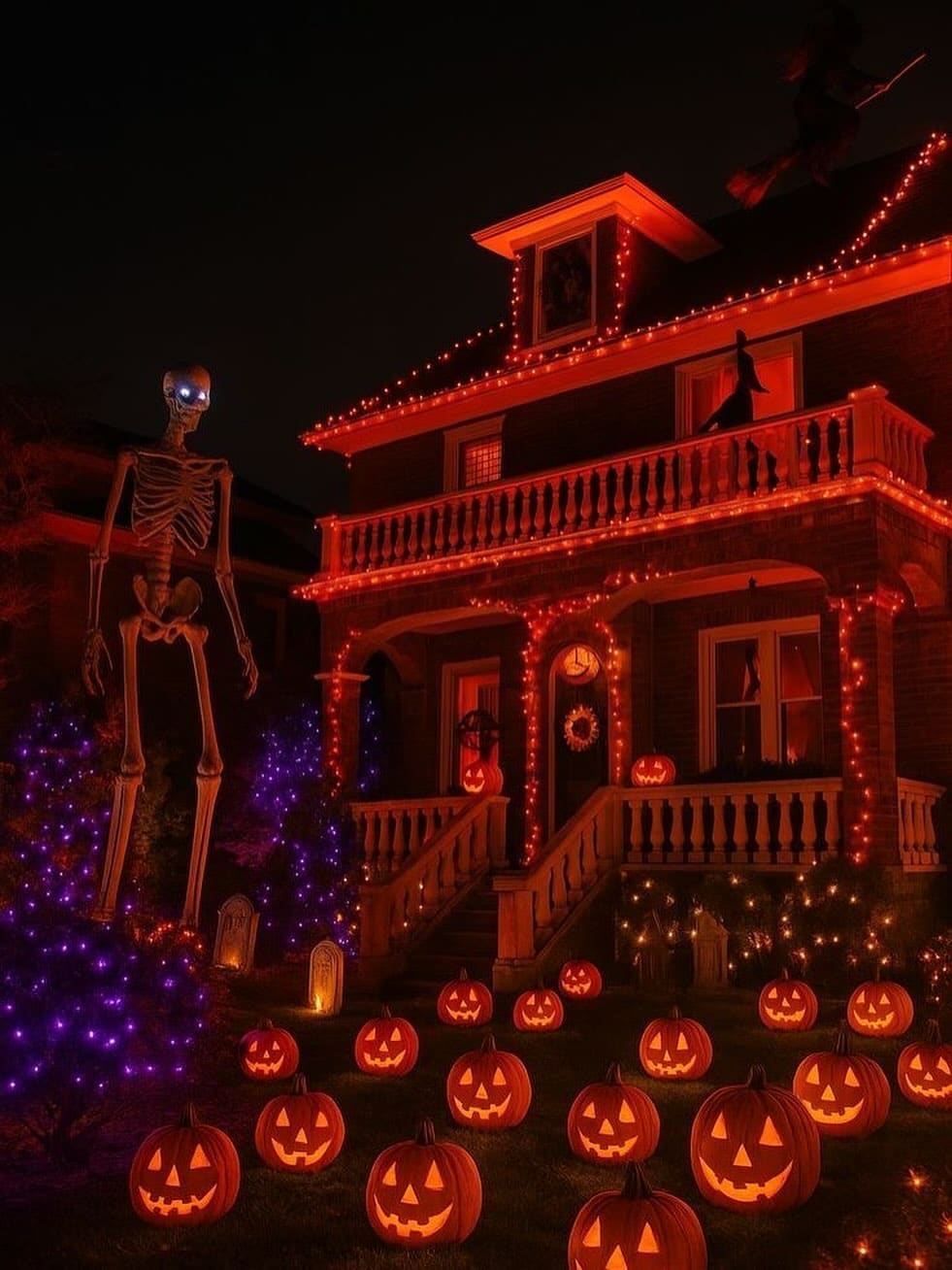
For young people just starting to participate in the experience of getting into costume and going door-to-door looking for sweet treats, the idea that Halloween is about honoring the dead is probably very foreign. Commercialized holidays almost always have their roots in far older traditions, and Halloween is no exception. Even if kids don’t utter the phrase “trick-or-treat” with the intention of harming those who don’t have candy to give to them these days, the words are as connected with the Halloween experience as costumes, cool autumn nights, and having fun with friends.
The next time that you or your children are out in costume asking neighbors and friends to hand over yummy snacks in exchange for a ring of the doorbell and a shout of ”trick-or-treat!” remember that the holiday used to be about celebrating those who had departed, protecting your loved ones from possible harm, and keeping neighborhoods safe. Remembering the traditions that gave rise to modern holidays helps us to appreciate them more and allows us to connect with times when the world was not so safe or certain.
Copyright Statement: Unless explicitly stated, all stories published on Creepypasta.com are the property of (and under copyright to) their respective authors, and may not be narrated or performed under any circumstance.