

Japan is home to one of the oldest and most fascinating cultures in the world. Japanese customs continue to inspire people far beyond Eastern Asia. Among these traditions are superstitions that may seem strange to outsiders but are a natural part of everyday life for locals. The belief behind these superstitions is that performing them protects people from danger, misfortune, or even the supernatural.
These superstitions developed alongside religion and have been passed down through Japanese generations. Even today, many people still follow them just to avoid fear of what might happen if they don’t.
As Japanese people believe, ignoring any of these 5 superstitions might just invite something you weren’t prepared for.
1. Avoiding number 4
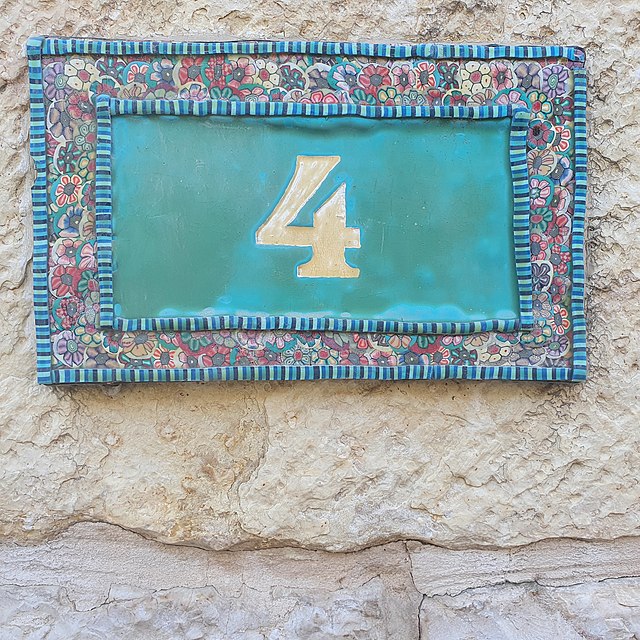
You may have heard already that many people in East Asia are afraid of the number 4. It seems like Japan has no expectations. The reason is that the number 4 is considered unlucky for having a similar pronunciation to the word “death.” Because of this, there is a superstition that something bad might happen to you if you encounter this number and as a result, Japanese people avoid the number 4 as much as possible.
If you ever end up in Japan, you will notice that the number 4 is often left out while numbering things like public transport, seats, flights, or any kind of enumeration.
Gifting a set of four items, for example, is considered a serious taboo, as it’s believed to bring bad luck or even lead to death.
Not surprisingly, this fear extends to entertainment and gambling, too. Many players in Japan avoid choosing numbers associated with 4 when playing games of chance. Instead, they often seek luck in safer settings. For instance, a Japanese player might choose a round of Crown Casino online pokies where they can control their choices, instead of bumping into this unlucky digit somewhere.
2. No whistling at night
Whistling is something people tend to do randomly as entertainment, which is absolutely normal. However, for Japanese people, it is important to check the timing when you do it if you don’t want to get caught up in supernatural danger.
In Japan, it is believed that whistling at night is bad luck as it attracts supernatural beings or harmful animals like snakes. According to superstition, eerie ghosts can hear whistling after the sun goes down, and they follow the sound as well as snakes. If you wouldn’t like to encounter a ghost when it’s already dark, you should keep whistling your daytime activity.
3. Leaving chopsticks sticking upwards in food
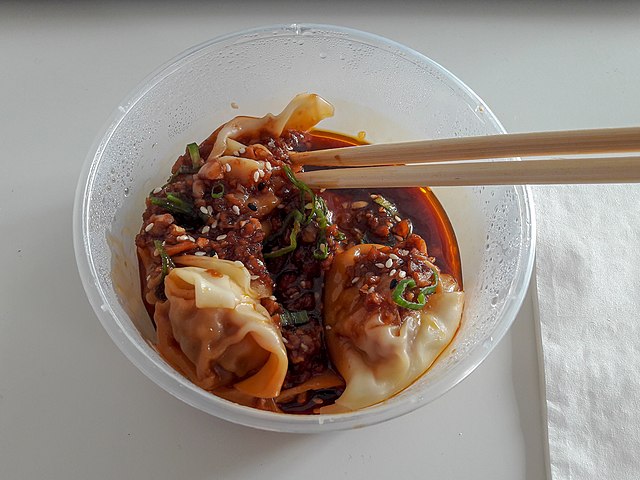
Using chopsticks is an integral part of Asian eating habits. Even though it is tricky, with enough practice, non-Asians often manage to learn how to use them. And if you’ve already mastered this skill, there’s one thing you should know: if you ever wind up sitting with Japanese people or even alone eating with chopsticks, be aware not to leave them sticking upwards in your food.
The thing is that Japanese people believe sticking chopsticks into food upwards brings bad luck and shortens your life. It is also considered disturbing behavior in front of others. To avoid this, you could just place them on top of a rice bowl or just stick them through a soft food horizontally.
4. Sleeping while facing north
Have you ever noticed which side of the room you’re sleeping on? If you haven’t, after reading about this superstition, you might start to think about it.
Japanese people think that regardless of your sleeping requirements, you should never sleep while facing the north side of the room. They consider the north as a direction of the afterlife and if you sleep on that side, weird ghosts might haunt you at night. Facing north already causes negative energy, to which the ghosts are pretty much attracted. And if you wouldn’t like sleeping next to some creepy ghost, you should take this in notice.
5. No umbrellas in the house
And finally, this might be the most unusual Japanese superstition. While of course umbrellas are typically used as protection from walking in rain or too much heat, strangely, umbrellas are not allowed in Japanese households.
For the Japanese, umbrellas are thought to bring bad luck and they see them as symbols of funerals. During funerals, it is usual that the attendees are covered from the heat by the sun as a means of honoring the god of the sun, Shinto Deiti Amaterasu. Nonetheless, umbrellas are a sign of misfortune and are not welcomed in houses.
Bottom line
Japanese superstitions certainly uncover some interesting and quite strange ways to avoid any bad luck or weird supernatural occurings. You know now that, in spite of being strange, these superstitions are common and often used even today. For Japanese people, they are a regular part of their lives and by following these superstitions, they feel much safer. For those who tend to struggle with unfortunate matters, you should consider making these 5 Japanese superstitions a part of your daily customs.
Copyright Statement: Unless explicitly stated, all stories published on Creepypasta.com are the property of (and under copyright to) their respective authors, and may not be narrated or performed under any circumstance.